
Why Do I Feel Anxious for No Reason? Common Causes Explained
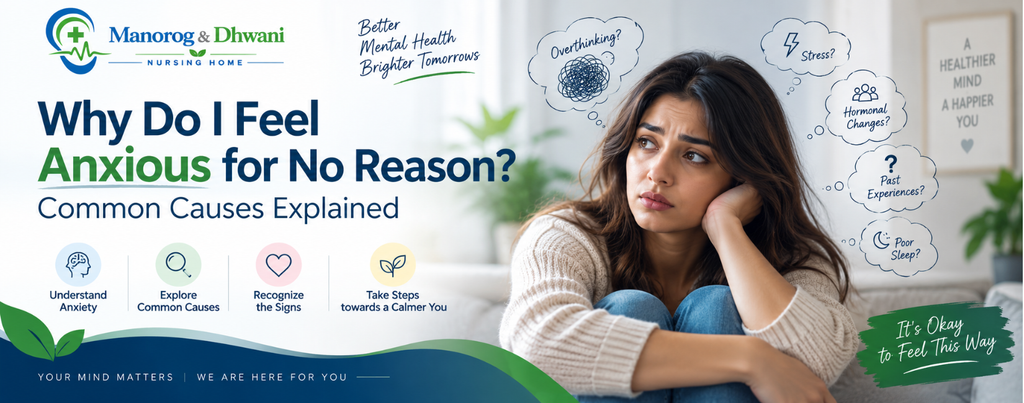
Sometimes anxiety appears even when everything seems fine. You may be sitting at home, working, or getting ready for bed when your heart starts beating faster, your thoughts begin racing, or you feel uneasy without knowing why. This can be confusing when there is no obvious problem.
The good news is that feeling anxious without a clear reason does not mean you are “overreacting.” Anxiety is a normal response to stress, but when it becomes frequent, intense, difficult to control, or starts affecting everyday life, it may need professional attention.
What Does It Mean to Feel Anxious for No Reason?
Anxiety is the body and mind’s response to perceived stress or threat. The brain does not always need an obvious external danger to trigger this response. NIMH notes that anxiety can occur even when there is no current threat.
Common anxiety symptoms include:
- Constant or sudden worry
- Feeling restless or “on edge”
- Racing heartbeat
- Sweating or trembling
- Shortness of breath
- Difficulty concentrating
- Muscle tension
- Trouble sleeping
- Feeling tired or mentally exhausted
Having a few symptoms occasionally does not automatically mean you have an anxiety disorder. The pattern, intensity, duration, and effect on daily life matter.
Common Causes of Anxiety Without an Obvious Reason
1. Ongoing Stress and Mental Overload
Sometimes the reason is not “nothing”—it is accumulated stress. Work pressure, family responsibilities, financial concerns, relationship difficulties, or constant mental multitasking can keep the body in a heightened state of alertness.
Even if you feel you are coping, your mind may still be carrying more pressure than you realise.
2. Lack of Sleep
Poor sleep and anxiety can influence each other. When you regularly sleep too little or have disturbed sleep, you may feel more irritable, tired, and less able to manage everyday worries. At the same time, anxiety can make it harder to sleep.
A consistent sleep routine can help, but persistent sleep problems should not be ignored.
3. Overthinking and Fear of the Future
The mind naturally tries to predict what might happen. But repeated “what if?” thinking can turn ordinary uncertainty into a cycle of worry.
A small concern about work, health, family, or money can quickly become a chain of worst-case thoughts. The original issue may be small, but the mental cycle can become exhausting.
4. Caffeine and Lifestyle Factors
Large amounts of caffeine can make some people feel more restless or physically stimulated. Irregular meals, lack of physical activity, alcohol use, and poor sleep habits may also affect how you feel.
5. Past Experiences or Emotional Stress
Anxiety can sometimes be connected to experiences that are not immediately obvious. Difficult relationships, grief, trauma, major life changes, or long periods of stress can influence how the mind responds to uncertainty.
Certain situations may trigger an emotional response even when you are not consciously thinking about the past.
6. Physical or Medical Factors
Anxiety-like symptoms can overlap with physical health problems or medication effects. Rapid heartbeat, dizziness, breathlessness, fatigue, or sleep changes can have different causes.
That is why persistent or unusual symptoms should not simply be self-diagnosed as anxiety. A healthcare professional can consider your symptoms, history, medicines, and overall health.
Anxiety vs Normal Stress: When Should You Pay Attention?
Everyone experiences stress and occasional anxiety. The concern is when anxiety becomes persistent, difficult to control, or starts interfering with work, relationships, sleep, studies, or daily activities.
You may want professional guidance if you:
- Feel anxious most days
- Constantly worry about different areas of life
- Avoid places, people, or activities because of fear
- Have repeated panic-like episodes
- Struggle to sleep because your mind will not switch off
- Find it difficult to concentrate or complete normal tasks
- Feel that anxiety is controlling your routine
Anxiety disorders are common and treatable. The World Health Organization describes anxiety disorders as involving excessive fear or worry that can cause significant distress or difficulty functioning.
What Can Help When You Feel Anxious?
Start by noticing patterns rather than blaming yourself. Keep track of when anxiety appears, how you slept, what you were thinking about, your caffeine intake, and what was happening around you.
For occasional anxiety, helpful habits may include:
- Maintaining a regular sleep schedule
- Reducing excessive caffeine
- Eating regular, balanced meals
- Staying physically active
- Practising slow breathing or relaxation exercises
- Taking breaks from constant work or screen pressure
- Talking to someone you trust
If anxiety continues despite these steps, consider speaking with a mental health professional. Depending on the type and severity of anxiety, treatment may include psychotherapy such as cognitive behavioural therapy (CBT), medication, or both. Treatment should be based on an individual assessment rather than self-medication.
When Should You See a Psychiatrist?
You do not need to wait until anxiety becomes overwhelming before asking for help. If worry is persistent, keeps returning without an obvious trigger, affects your sleep or concentration, or interferes with daily life, a professional assessment can help.
A psychiatrist can assess your symptoms, consider possible contributing factors, and recommend an appropriate treatment plan. You can learn more about available [mental health treatment options] at Manorogdhwani.
If anxiety is accompanied by severe physical symptoms such as chest pain, fainting, severe breathing difficulty, or other symptoms that feel medically urgent, seek immediate medical care rather than assuming they are caused by anxiety.
Final Thoughts
Feeling anxious “for no reason” can be unsettling, but there is often a reason that is simply not obvious at first. Stress, poor sleep, overthinking, lifestyle habits, past experiences, and physical factors can all play a role.
Occasional anxiety is normal, but persistent anxiety deserves attention. With the right assessment and support, anxiety can be managed and treated.